
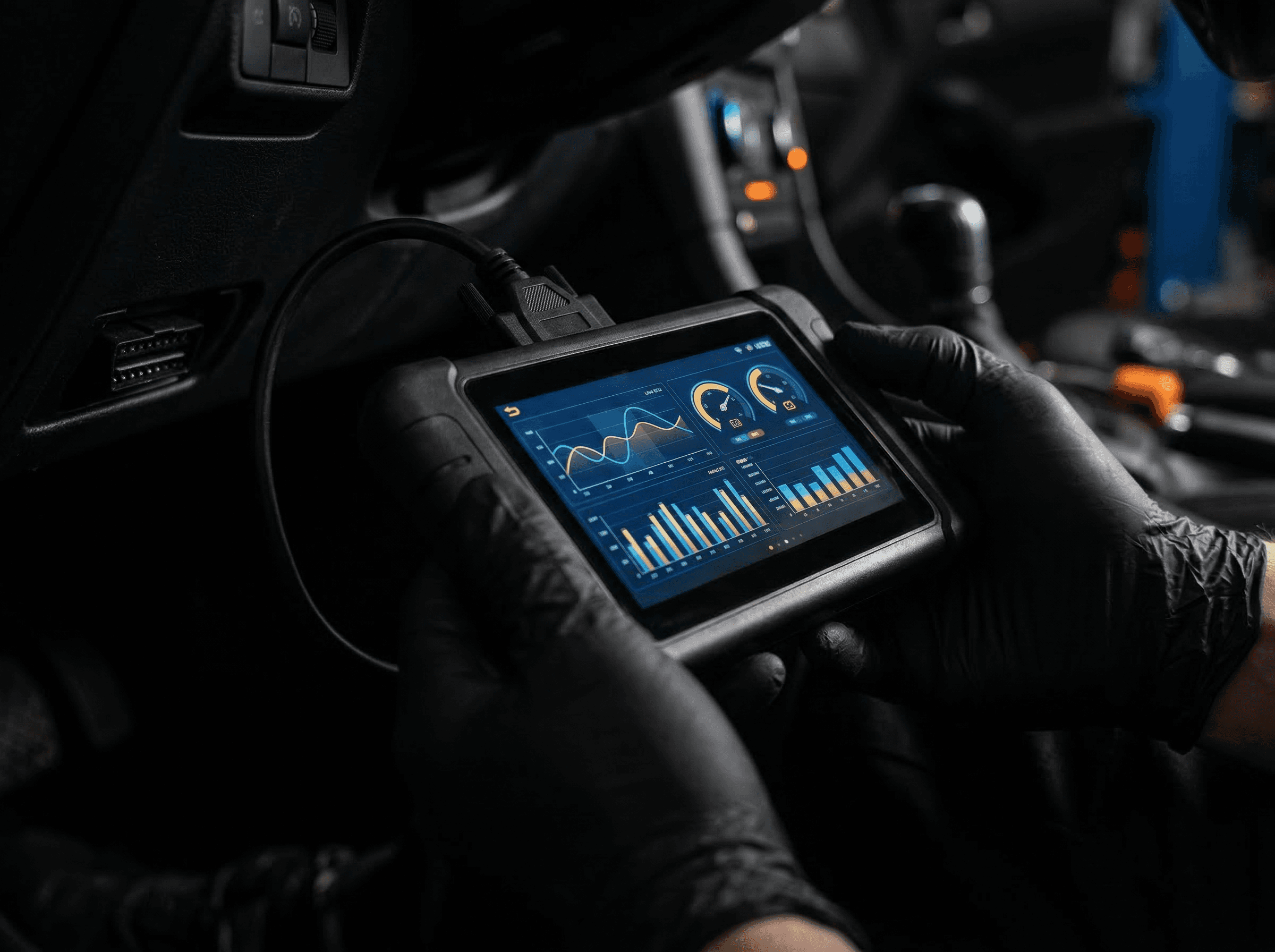
Modern vehicles run on electronics and the technicians who can diagnose and fix them are among the most sought-after in the industry. This program gives you the hands-on skills to identify, troubleshoot, and repair electronic systems on today's most complex vehicles.


100 hours In-Person Training + E-Learning Content
Learn to diagnose and repair the electronic components of modern vehicles.
Ideal for beginners or career changers.
Specific directory sheet: RS7220 - click here to consult the sheet
Location: EMS Electronics Miami Campus + online platform
Prerequisites: Professional experience or background in automotive, embedded electronics, or engine tuning
Target audience: Professionals and motivated individuals
Accessibility: Designed to accommodate remote learners and working professionals
Access timelines: Start within 15 business days of enrollment
Pricing: $4,999 HTVA
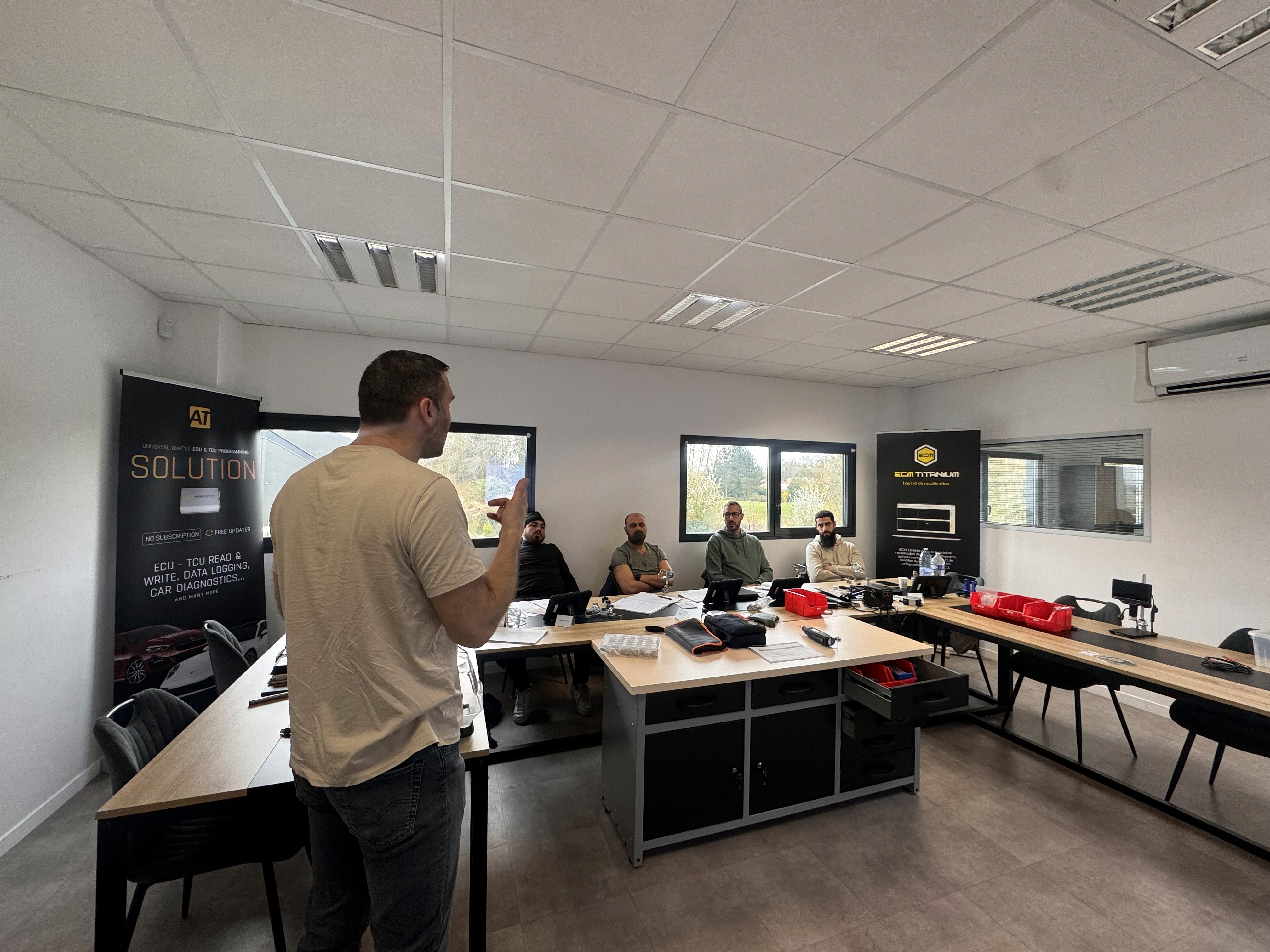
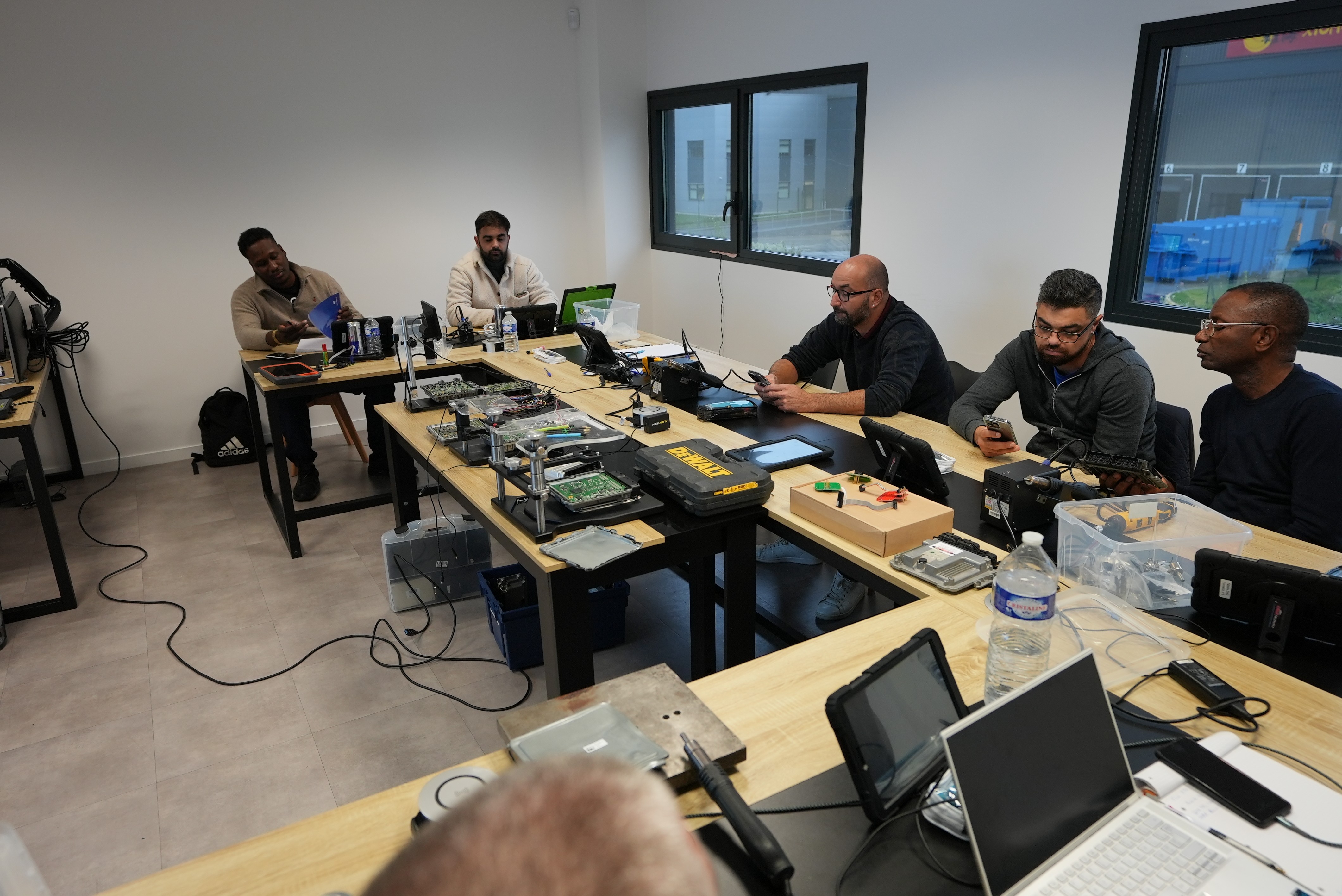
INTRODUCTION & PRESENTATION
What you will learn
C1
Analyzing the operation of an engine or transmission calculator through the identification of its roles, its interactions with other vehicle systems, and the study of data extraction methods, in order to define an appropriate intervention strategy.
C2
Extract data from an ECU using appropriate tools to diagnose issues and update parameters to optimize engine performance.
C3
Interpret ECU files by manipulating dumps and understanding the different types of files in order to comprehend their structure and assignments.
C4
Identify the components of the ECU through the analysis of its physical composition and the distribution of components in order to recognize their interactions and specifications.
C5
Use the recalibration tools to select the appropriate tools based on the desired intervention in order to maximize engine performance and ensure legal compliance.
Mastering engine and transmission control unit (ECU) reprogramming operations.
Read, modify, and rewrite the data of an engine or transmission calculator using professional tools (Kess, Flex, Autotuner…), as part of a diagnostic, optimization, or repair.
C6
Implement communication protocols by identifying the different types of memory and their interactions to ensure effective communication between the various components of the ECU.
C7
Manipulating ECU file dumps using advanced techniques to analyze and modify the data to meet specific client needs.
Calibration and engine mapping modification
Reading, analyzing, and modifying binary files with hex editors and specialized software, addressing the structure and interpretation of data.
Comparisons and copies of maps, the use of tools suitable for different interventions (engine optimization, FlexFuel conversion, DPF/EGR/SCR removal, etc)
The creation of mappacks from reference files (damos), the management of adaptations or removals of immobilizers, as well as the analysis and calculation of checksums to ensure the integrity of modified files.
C8
Program the different types of keys/transponders using the identification of appropriate methods and tools to ensure optimal operation of the starting system.
C9
Use key cutting tools through precise techniques in order to ensure accurate and reliable programming of keys/transponders.
Program keys and transponders with professional tools on the market, and identify transponders.
Use the Autel, Xhorse, Abrites, or Obdstar interfaces to code or duplicate keys and to intervene on various anti-theft systems.
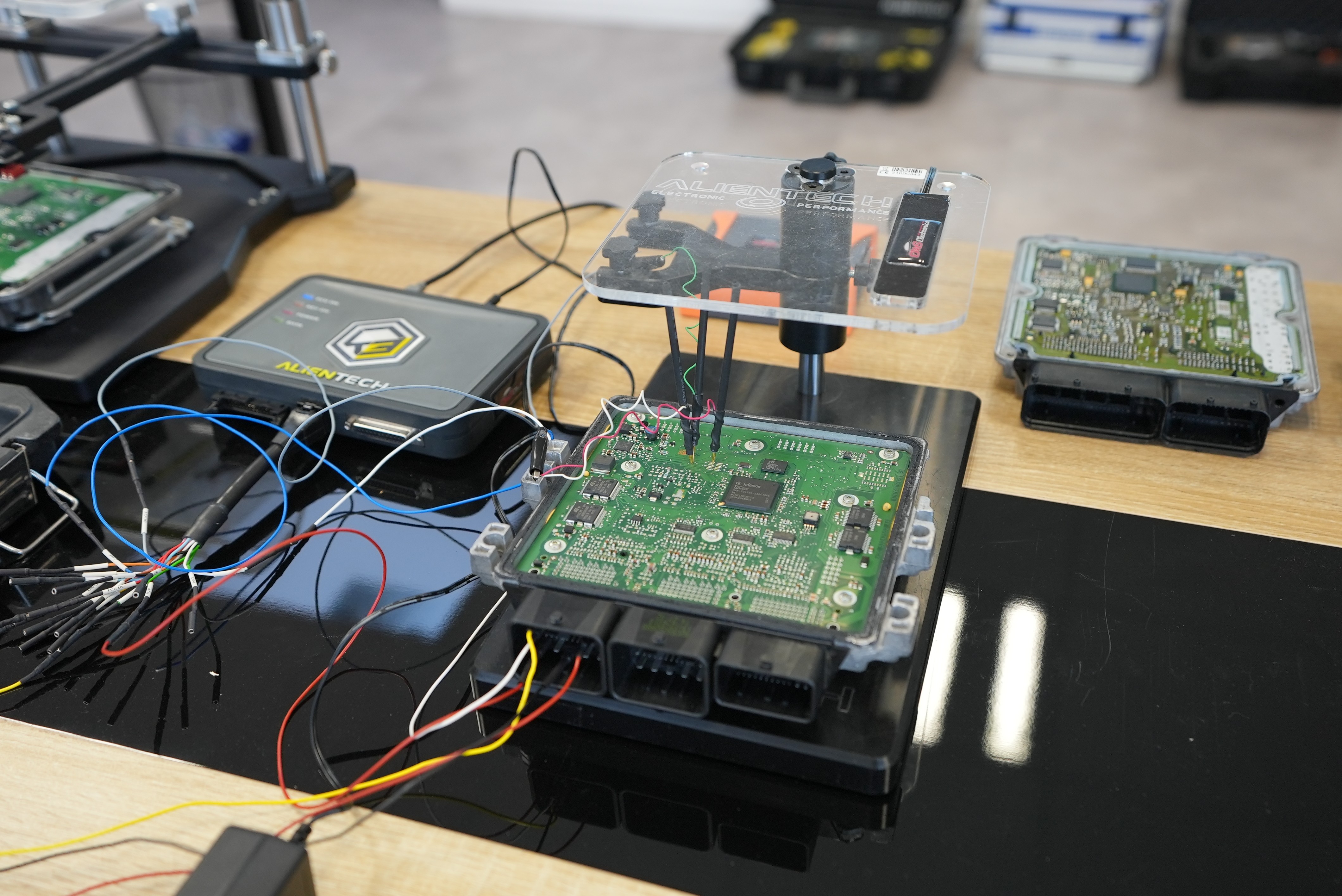
Phase 1
Architecture and composition of computers
Laying the foundations of automotive electronics.
ECU Fundamentals

ECU understanding, memory identification, manipulation of professional tools (Kess, Flex, Autotuner). Acquire the basics to intervene safely on the controllers.
Phase 2
Edit the data and program the keys
Develop advanced skills in reprogramming.
Mapping and anti-theft
Engine mapping modifications (Winols, Swiftec), key and transponder programming. Master the complete electronic intervention chain.
Phase 3
Recoding and key size
Finalize the complete mastery of locksmithing.
Recoding and size
Replacement of sequins, recoding of locks, key cutting (code/reproduction), machine adjustment. Ensure quality and compliance of interventions.
CONCLUSION
At the end of 100 hours of training, complete mastery of intervention on automotive electronic equipment.
CALENDAR
Our training calendar 2026
DO YOU STILL HAVE DOUBTS?
FAQs
Here are the answers to the questions we are most often asked.
Who are EMS programs designed for?
Where do classes take place?
When can I enroll, and how does it work?
Are there financing or funding options available?
Do I need prior experience to join a full certification program?
